


In my last post, I used the term “algorithmic stalemate.” The more I think about it, the more accurate it seems.
I sit on the other side every day. I see the applications that come in. I notice profiles that stand out—and those that, despite strong qualifications, get overlooked.
And here’s something interesting: more and more resumes today are technically very well done. Clear, structured, keyword-optimized, and easy to read.
One reason is the growing use of tools like ATS checkers and CV parsing software. And honestly, that’s a good thing.
After all, when a job posting no longer receives 30 applications but 300, it becomes critical that a resume can even pass through a system cleanly.
What these tools do—and why they matter
From my experience, many applications fail at very basic points—not because of a lack of qualification, but because the information couldn’t be properly read or understood.
This is exactly where ATS tools help:
- They ensure content is correctly parsed
- They recognize relevant keywords
- They make the resume structured and easy to understand
This isn’t “optimizing for machines” in a negative sense. It’s about creating a clean foundation—and today, that foundation is essential.
Why a good ATS score is an advantage
Tools like ATS Resume Checkers or CV parsing software give applicants something that was missing before: feedback. And that feedback is valuable.
- A good score usually means:
- Your resume is technically readable
- Your content is clear
- Key terms are present
This increases the chances of making it into the shortlist—which is exactly what matters in the first step.
Where the real difference is made
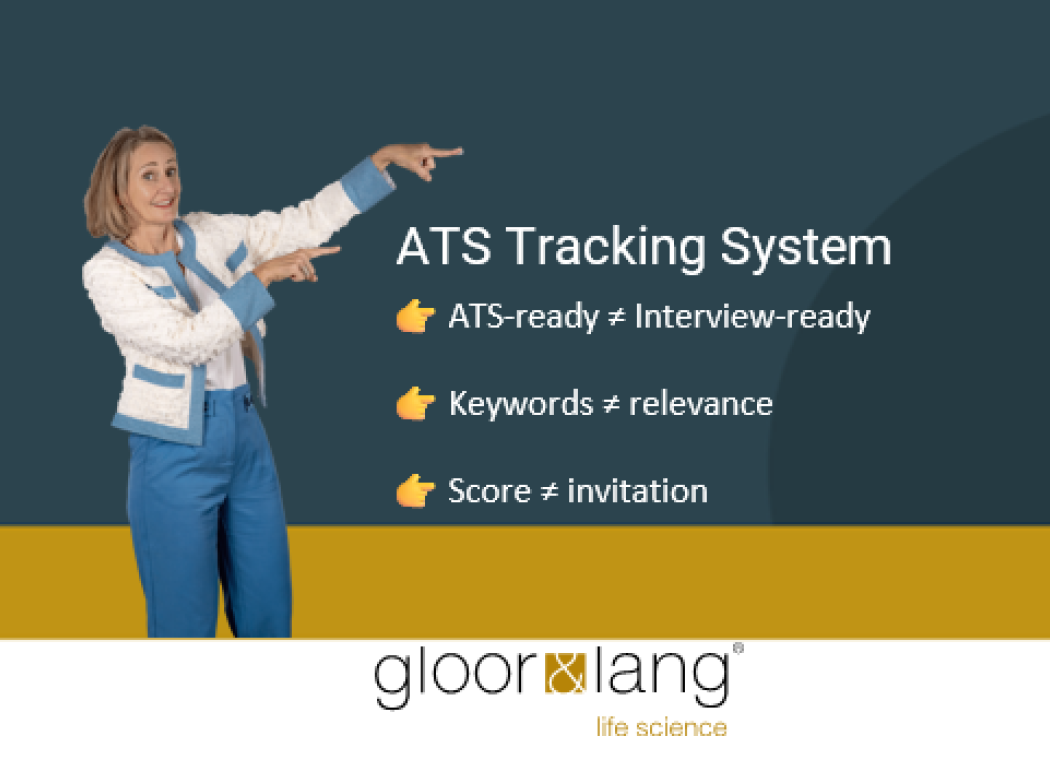
What I see clearly is this: a well-optimized resume is often just the ticket in, not the differentiator. The real impact comes later, when a human actually reads it. That’s when it matters:
Is this resume simply optimized—or is it truly relevant?
How to use ATS tools effectively
From a headhunter’s perspective, the biggest leverage is not in the tool itself, but in how and when you use it.
The best approach is:
- Understand the role first. Don’t just scan for keywords—really understand what’s being sought and what problems need solving.
- Tailor your resume to the role. Clear, specific, and relevant.
- Then use an ATS tool.
Not to rewrite everything, but to check: is what I want to say actually being recognized? That makes all the difference.
The most common missed opportunity
What I often see isn’t “wrong use,” but underused potential. Many people only use ATS tools to insert keywords. But these tools can do much more:
- Help clarify content
- Place relevant terms strategically
- Improve structure
In short, they can make your experience more visible—and that’s exactly the point.
Who benefits most
ATS tools are especially valuable for candidates asking, “Why am I not getting responses?” Not as a final answer—but as an honest mirror.
They often reveal:
- Where information is missing
- Where things are unclear
- Where relevance to the role isn’t visible
And these are exactly the levers that make a difference.
What ultimately decides
In the end, a human still decides. And humans have very little time. An ATS-optimized resume ensures you are seen. A well-written resume ensures you are invited. Both are equally important today.
Conclusion
ATS checkers are not a trick—and they are not an end in themselves. They are a tool. A very useful one—if used correctly. My advice:
- Use them to create clarity
- Use them to be seen
- But don’t use them as a substitute for thoughtful content
At the end of the day, it’s not the highest score that convinces—it’s the person whose fit for the role is immediately obvious.